
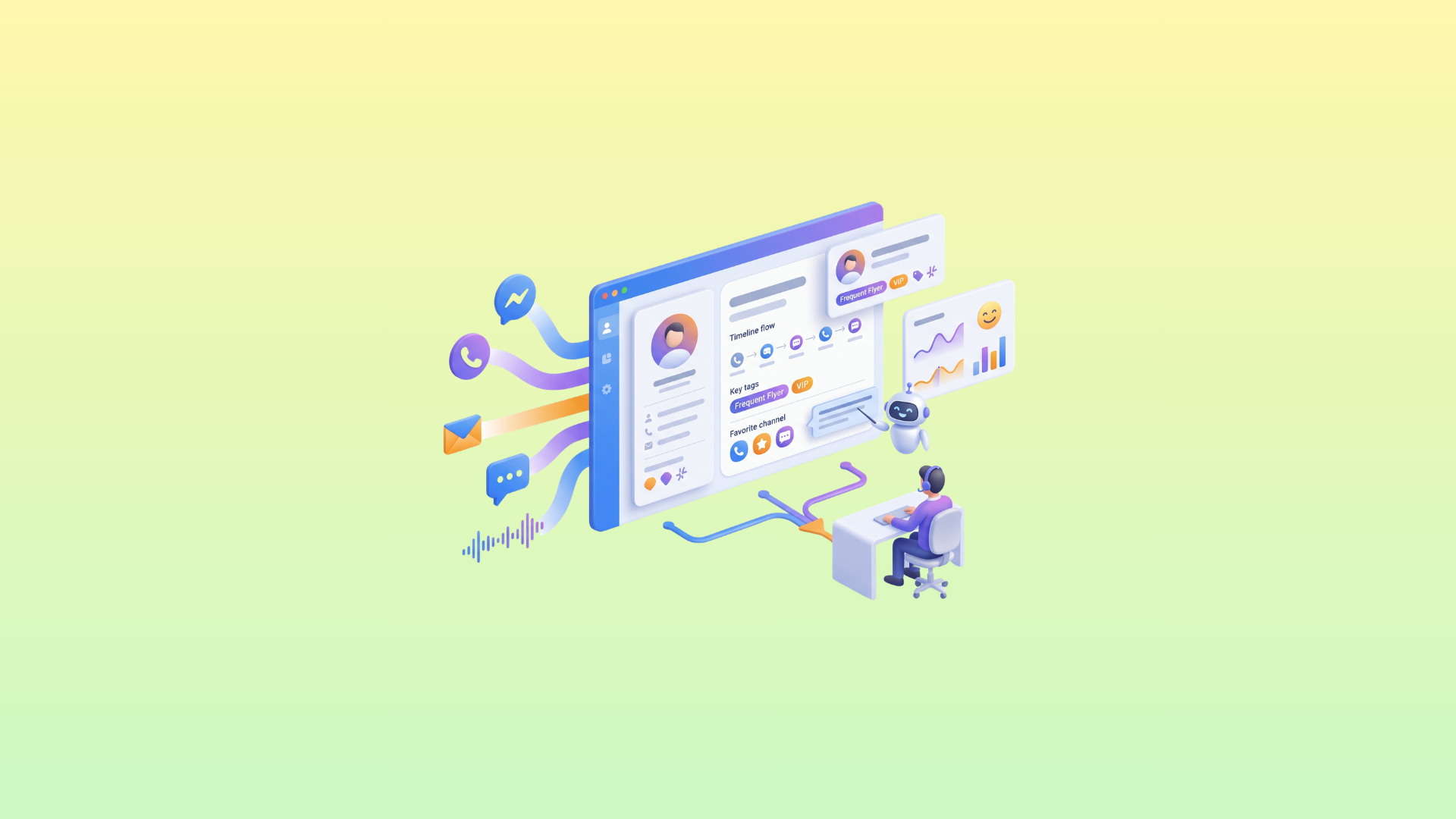
Müasir müştəri eyni problemi müxtəlif operatorlara üç dəfə izah etmək istəmir. O, hələ özünü təqdim etməmişdən əvvəl belə tanınacağını, xatırlanacağını və başa düşüləcəyini gözləyir. Məhz buna görə də kontakt mərkəzində fərdiləşdirmə uzunmüddətli müştəri münasibətləri qurmağı hədəfləyən hər bir biznes üçün əməliyyat baxımından zərurətə çevrilib.
Bu məqalədə fərdiləşdirmənin əsas alətlərini nəzərdən keçirəcəyik: onların necə işlədiyini, harada tətbiq olunduğunu və praktikada biznesə hansı faydanı verdiyini izah edəcəyik.
Qısaca əsas məqamlar: kontakt mərkəzinin fərdiləşdirilməsi alətlərinə ümumi baxış
Tez məlumat almaq istəyənlər üçün:
- Omnikanal platforma bütün kanalları — Viber, Telegram, WhatsApp, zənglər, çat və e-poçtu — vahid interfeysdə birləşdirir. Operator söhbət başlamazdan əvvəl müştərinin bütün müraciət tarixçəsini görür.
- Ağıllı yönləndirmə müştərini ilk boş operatora deyil, mövzuya, dilə və ixtisasa görə ən uyğun operatora yönləndirir.
- AI çat-botları 24/7 rejimində tipik sorğuları emal edir və mürəkkəb məsələləri dialoqun konteksti ilə birlikdə operatora ötürür — müştərinin eyni məlumatı yenidən izah etməsinə ehtiyac qalmır.
- Operator üçün AI köməkçisi real vaxt rejimində cavablar təklif edir, səhvləri düzəldir, mətnləri tərcümə edir və söhbətin xülasəsini hazırlayır.
- Keyfiyyətin avtomatik qiymətləndirilməsi dialoqların 100%-ni analiz edir — müştərinin emosiyalarını, skriptlərə uyğunluğu və operatorun effektivliyini qiymətləndirir.
- Fərdiləşdirilmiş kütləvi göndərişlər teqlərə və avtomatik triggerlərə əsaslanan filtrasiya ilə messencerlər vasitəsilə fərdi mesajlar göndərməyə imkan verir.
Kontakt mərkəzində fərdiləşdirmə nədir və biznes üçün niyə vacibdir?
Fərdiləşdirmə sistemin hər bir müştərini unikal şəxs kimi tanımaq və ünsiyyəti onun tarixçəsinə, üstünlüklərinə və cari kontekstinə uyğunlaşdırmaq qabiliyyətidir. Daha sadə desək: müştəri hər dəfə kim olduğunu və nə istədiyini izah etmir — sistem bunu artıq bilir.
Fərdiləşdirilmiş yanaşma aşağıdakı imkanları yaradır:
- müştəriyə adı ilə müraciət etmək və onun əvvəlki təcrübəsini nəzərə almaq;
- əvvəllər cavablandırdığı sualları yenidən verməmək;
- problem tam şəkildə ifadə olunmadan əvvəl həll yolu təklif etmək;
- konkret vəziyyət üçün ən uyğun operatoru və ya kommunikasiya kanalını seçmək.
“Necə kömək edə bilərəm?” ilə “Salam, Aleksey! Dünən müraciət etdiyiniz məsələni həll edə bildinizmi?” ifadələri arasındakı fərq çox böyükdür. Məhz bu, fərdiləşdirilmiş müştəri xidmətinin mahiyyətidir.
Fərdiləşdirmənin uzunmüddətli müştəri loyallığını necə formalaşdırdığı və müştərilərin kampaniyalara görə deyil, etimada görə niyə geri qayıtdığı haqqında ətraflı məlumatı ayrıca məqaləmizdə oxuya bilərsiniz.
Omnikanal platforma: bütün kommunikasiya kanallarında müştəri haqqında vahid məlumat
Müştəri əvvəlcə çatda yazır, sonra zəng edir, axşam isə Viber vasitəsilə müraciət edir. Əgər bu kanallar bir-biri ilə əlaqələndirilməyibsə, hər bir operator onu yeni və tanımadığı müştəri kimi qəbul edəcək. Omnikanal platforma məhz bu problemi həll edir.
İki anlayışı bir-birindən fərqləndirmək vacibdir:
Multikanallılıq – müştəri müxtəlif kanallar vasitəsilə müraciət edə bilər, lakin hər kanal ayrıca fəaliyyət göstərir.
Omnikanallılıq – bütün kanallar birləşdirilir: müştəri söhbətə çatda başlayır, telefonla davam etdirir və operator bütün konteksti görür.
Omnikanal platformanın praktik üstünlükləri:
- müraciət kanalından asılı olmayaraq vahid müştəri kartı;
- kanallar arasında keçid zamanı kontekstin qorunması;
- operator söhbət başlamazdan əvvəl müştərinin tam müraciət tarixçəsini görür;
- bütün təmas nöqtələri üzrə vahid analitika.
NovaTalks müştəri dəstəyi üçün omnikanal platformadır. O, messencerləri (Viber, Telegram, WhatsApp, Instagram), zəngləri, onlayn çatı və e-poçtu vahid interfeysdə birləşdirir. Müştəri məlumatları, teqlər və bütün müraciət tarixçəsi mərkəzləşdirilmiş şəkildə saxlanılır — agent söhbət başlamazdan əvvəl bütün zəruri məlumatlara malik olur.
Ağıllı növbə: kontakt mərkəzində zənglərin intellektual marşrutlaşdırılması
Ağıllı növbə müraciətlərin intellektual şəkildə paylanması mexanizmidir. O, müştərini ilk boş operatora deyil, məhz onun problemini həll etmək üçün ən uyğun mütəxəssisə yönləndirir.
Sistem aşağıdakı amilləri nəzərə alır:
- müraciətin mövzusu — texniki dəstək, satış, reklamasiya;
- ünsiyyət dili və müştərinin prioriteti;
- operatorların cari yüklənməsi və ixtisası;
- konkret agentlə əvvəlki ünsiyyət təcrübəsi.
Nəticədə operatorlar arasında yönləndirmələrin sayı minimuma enir və FCR (First Contact Resolution) — ilk müraciətdə problemin həll olunması göstəricisi yüksəlir. Müştəri ilk dəfədən onun mövzusunu yaxşı bilən mütəxəssisdən cavab alır.
NovaTalks çatların və zənglərin agentlər arasında onların yüklənməsi və ixtisası nəzərə alınmaqla çevik şəkildə paylanmasını təmin edir.
AI çat-botları və agent köməkçisi: 24/7 fərdiləşdirilmiş müştəri dəstəyi
Müasir AI çat-botları təbii dialoq aparır, konteksti anlayır və müştərini söhbətin tam tarixçəsi ilə birlikdə canlı operatora ötürür — heç nəyi yenidən izah etməyə ehtiyac qalmır.
Yeni nəsil AI botunu klassik botdan fərqləndirən xüsusiyyətlər:
- NLU (Natural Language Understanding) — bot açar sözləri deyil, məzmunu anlayır. “Məhsulu qaytarmaq istəyirəm” və “aldığım məhsulu necə geri qaytara bilərəm?” onun üçün eyni məna daşıyır.
- Cari sessiya zamanı əvvəlki müraciətlərin nəzərə alınması.
- Dialoqun tam konteksti ilə canlı agentə problemsiz ötürmə.
- Real söhbətlər əsasında davamlı öyrənmə.
NovaTalks platformasında AI dəstəyi iki səviyyədə təqdim olunur:
Çat-botlar. Hər bir kanal üçün çoxdilli botların yaradılması üzrə konstruktor. Onlar 24/7 işləyir, agentlərin iş yükünü azaldır və müştərini dialoqun konteksti ilə birlikdə canlı operatora yönləndirir.
AI agent köməkçisi. Operatora real vaxt rejimində kömək edir: səhvləri düzəldir, tərcümə təklif edir, cavabın tonunu uyğunlaşdırır və dialoqun yekununu avtomatik hazırlayır — bütün bunlar vahid interfeys daxilində həyata keçirilir.
Fərdiləşdirilmiş kütləvi göndərişlər: geniş miqyasda fərdi kommunikasiya
Fərdiləşdirmə müştəri ilə ilk əlaqəni düzgün zamanda və düzgün mesajla qurmaq imkanıdır.
NovaTalks messencerlərdə və sosial şəbəkələrdə avtomatlaşdırılmış kütləvi göndərişləri dəstəkləyir:
- auditoriyanın teqlər, atributlar və kontakt məlumatları üzrə filtrasiyası;
- hər bir müştəri üçün fərdiləşdirilmiş təkliflər, xatırlatmalar və kampaniyalar;
- avtomatik triggerlər — göndəriş müəyyən hadisə və ya şərt baş verdikdə işə düşür.
Mesajlar müştərinin artıq istifadə etdiyi kanallara — messencerlərə və sosial şəbəkələrə göndərilir. Beləliklə, vacib məlumat diqqətdən kənarda qalmır.
AI analitikası və keyfiyyətin avtomatik qiymətləndirilməsi: dialoqların 100%-nə nəzarət
Ənənəvi keyfiyyətə nəzarət yalnız seçilmiş zəng və yazışmaların yoxlanılmasına əsaslanır. Menecer fiziki olaraq söhbətlərin maksimum 5%-ni qiymətləndirə bilir. Qalan hissə isə diqqətdən kənarda qalır.
NovaTalks-ın AI alətləri bu yanaşmanı dəyişir:
- Keyfiyyətin avtomatik qiymətləndirilməsi mətn və səsli dialoqların 100%-ni analiz edir.
- Sistem müştərinin emosiyalarını, agentin skriptlərə uyğunluğunu və hər bir söhbətin effektivliyini qiymətləndirir.
- Menecer ümumi mənzərəni görür və yalnız diqqət tələb edən dialoqlara fokuslanır.
NovaTalks Insights bütün müraciətləri və metadataları avtomatik emal edərək əsas tendensiyaları müəyyənləşdirir. Bu, problemləri və inkişaf imkanlarını vaxtında aşkar etməyə kömək edir.
BI dashboard-larla çevik hesabat sistemi kontakt mərkəzinin səmərəliliyini, agentlərin məhsuldarlığını və CSAT müştəri məmnuniyyəti göstəricisini real vaxt rejimində izləməyə imkan verir.
Aşağıda əsas fərdiləşdirmə alətlərinin, onların funksiyalarının və praktik faydalarının ümumi icmalı təqdim olunur.
| Alət | Nə edir | Müştəri üçün faydası | Biznes üçün faydası |
|---|---|---|---|
| Omnikanal platforma | Bütün kanalları vahid interfeysdə birləşdirir | Müştərinin hər dəfə eyni məsələni yenidən izah etməsinə ehtiyac qalmır | Vahid analitika və müraciətlərin tam konteksti |
| Ağıllı növbə | Müştərini ən uyğun operatora yönləndirir | Problem ilk müraciətdə həll olunur | FCR artır, operatorlar arasında yönləndirmələr azalır |
| AI çat-botu | 24/7 rejimində tipik sorğuları emal edir | Növbə gözləmədən ani cavab alır | Agentlərin iş yükü azalır |
| AI agent köməkçisi | Cavablar təklif edir, tərcümə edir, dialoqun xülasəsini hazırlayır | Agentdən daha keyfiyyətli cavab alır | Müraciətin emal müddəti qısalır |
| Keyfiyyətin avtomatik qiymətləndirilməsi | Dialoqların 100%-ni analiz edir | Sabit və yüksək xidmət keyfiyyəti | Əl ilə yoxlamaya ehtiyac olmadan tam performans mənzərəsi |
| Kütləvi göndərişlər | Messencerlərə fərdiləşdirilmiş mesajlar göndərir | Özünə uyğun təkliflər alır | Açılma və cavab vermə göstəriciləri yüksəlir |
Kontakt mərkəzində fərdiləşdirməni necə tətbiq etmək olar: addım-addım yanaşma
Addım 1. Məlumatların və mövcud alətlərin auditi
Müştərilər haqqında hansı məlumatların artıq mövcud olduğunu, onların harada saxlanıldığını və necə istifadə edildiyini müəyyənləşdirin. Çox vaxt şirkətdə kifayət qədər məlumat olur, sadəcə onlar inteqrasiya edilməmiş müxtəlif sistemlərdə saxlanılır.
Addım 2. Prioritet təmas nöqtələrinin müəyyən edilməsi
Ən problemli mərhələlərdən başlayın — verifikasiya, ilk salamlaşma, operatorlar arasında yönləndirmə. Hər şeyi eyni anda fərdiləşdirməyə çalışmayın.
Addım 3. Kanalların vahid ekosistemə inteqrasiyası
Bütün kommunikasiya kanallarını və analitik alətləri bir sistemdə birləşdirmədən fərdiləşdirmə mümkün deyil. Parçalanmış məlumatlar fərdiləşdirmənin ən böyük maneəsidir.
Addım 4. Komandanın hazırlanması və nəticələrin ölçülməsi
Operatorlar sistemin tövsiyələrini düzgün oxumağı və kontekstdən təbii ünsiyyət üçün istifadə etməyi bacarmalıdırlar. FCR, CSAT, AHT və NPS göstəricilərini izləyin — fərdiləşdirmə onların yaxşılaşmasına xidmət etməlidir.
Kontakt mərkəzində fərdiləşdirmənin tətbiqi zamanı tipik səhvlər
Fərdiləşdirməni yalnız fərdiləşdirmə naminə etmək
Bir söhbət ərzində müştərinin adına on dəfə müraciət etmək manipulyasiya kimi qəbul olunur. Müştərilər qeyri-səmimiliyi asanlıqla hiss edir və yalnız texniki üsullarla “yaxın” görünməyə çalışan şirkətlərdən uzaqlaşırlar.
Şəxsi məlumatların qorunmasına (GDPR) məhəl qoymamaq
Müştərilər başa düşülmək istəyirlər, lakin özlərini “mikroskop altında” hiss etmək istəmirlər. GDPR tələblərinə riayət etmək və məlumatların toplanması barədə şəffaf olmaq etimadı qorumağın vacib şərtidir.
Strategiyasız texnologiya
Hansı konkret problemi həll edəcəyini müəyyən etmədən bahalı AI aləti almaq klassik və bahalı səhvdir. Əvvəl biznes məqsədi, sonra texnologiya.
Məlumatların parçalanması
Əgər müştəri haqqında məlumat müxtəlif sistemlərdə saxlanılır və inteqrasiya olunmayıbsa, hətta ən yaxşı alət belə tam mənzərə yarada bilməyəcək. Fərdiləşdirmənin keyfiyyəti həmişə ilkin məlumatların keyfiyyətindən asılıdır.
FAQ: Kontakt mərkəzində fərdiləşdirmə alətləri haqqında tez-tez verilən suallar
Kiçik kontakt mərkəzində fərdiləşdirməni tətbiq etmək mümkündürmü?
Bəli. Hətta müraciətlərin kontekstini saxlayan sadə omnikanal platforma belə nəzərəçarpacaq nəticə verir. NovaTalks minimal konfiqurasiya ilə başlamağa və komanda böyüdükcə yeni alətləri mərhələli şəkildə qoşmağa imkan verir.
Omnikanallılıq ilə multikanallılıq arasında fərq nədir?
Multikanallılıq — müştəri müxtəlif kanallardan istifadə edir, lakin onların hər biri ayrıca işləyir.
Omnikanallılıq — bütün kanallar vahid sistemdə birləşdirilir: müştəri söhbətə çatda başlayır, telefonla davam etdirir və operator bütün konteksti görür.
AI çat-botu kontakt mərkəzi operatorlarını əvəz edəcəkmi?
Tamamilə yox. Lakin onların rolunu dəyişəcək. AI rutin sorğuları öz üzərinə götürəcək, agentlər isə emosional baxımdan mürəkkəb və qeyri-standart hallara fokuslana biləcəklər — insan faktorunun əvəzolunmaz olduğu məqamlara.
FCR nədir və fərdiləşdirmə bu göstəriciyə necə təsir edir?
FCR (First Contact Resolution) — problemin ilk müraciətdə həll olunması göstəricisidir. Müştərinin tam kontekstini görən operator problemi daha sürətli və dəqiq həll edir ki, bu da FCR göstəricisini artırır və təkrar zənglərin sayını azaldır.
CSAT nədir və niyə ölçülməlidir?
CSAT (Customer Satisfaction Score) — müraciətdən sonra müştəri məmnuniyyətinin qiymətləndirilməsidir. Adətən bu, qısa bir sualla ölçülür: “Xidmətdən nə dərəcədə razı qaldınız?” Fərdiləşdirmə bu göstəricini birbaşa yüksəldir, çünki müştəri ona fərdi və diqqətli yanaşıldığını hiss edir.
Fərdiləşdirmə tətbiq edilərkən müştərilərin şəxsi məlumatlarını necə qorumaq olar?
Məlumatların şifrələnməsi, rol əsaslı giriş hüquqları, bütün əməliyyatların qeydiyyatı və GDPR tələblərinə uyğun şəffaf məlumat emalı siyasəti əsas şərtlərdir. Müştəri həmişə hansı məlumatların və hansı məqsədlə toplandığını bilməlidir.
Nəticə
Kontakt mərkəzində fərdiləşdirmə müştərilərin əsas gözləntisinə verilən sistemli cavabdır: əlavə səy göstərmədən eşidilmək, tanınmaq və keyfiyyətli xidmət almaq.
Fərdiləşdirilmiş yanaşmanı seçən şirkətlər rəqiblərin asanlıqla təkrarlaya bilməyəcəyi üstünlük qazanırlar — kampaniyalara görə deyil, etimada görə geri qayıdan müştərilər. NovaTalks bütün kommunikasiya kanallarını, AI alətlərini və analitikanı vahid platformada birləşdirərək belə bir ekosistemin qurulmasına kömək edir. Fərdiləşdirilmiş xidmət göstərməyə hazırsınız? NovaTalks ilə başlayın.
